‘The Wood of the Stunted Trees’
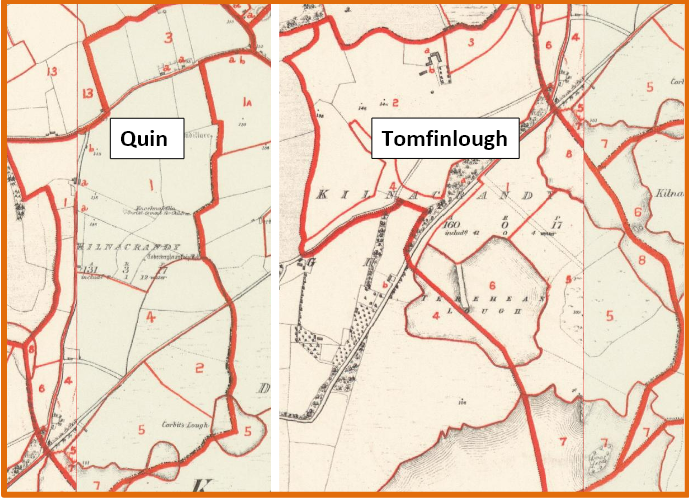
The townland(s) of Kilnacrandy are located in the south-east corner of the parish of Quin and the northern edge of Tomfinlough parish. We will mostly deal here with the portion of Kilnacrandy that lies within Quin Parish.
The original name of Carrowkiltian was last recorded on Henry Pelham’s Grand Jury map of 1787. The current name is first recorded in 1734 in a Registry of Deeds.
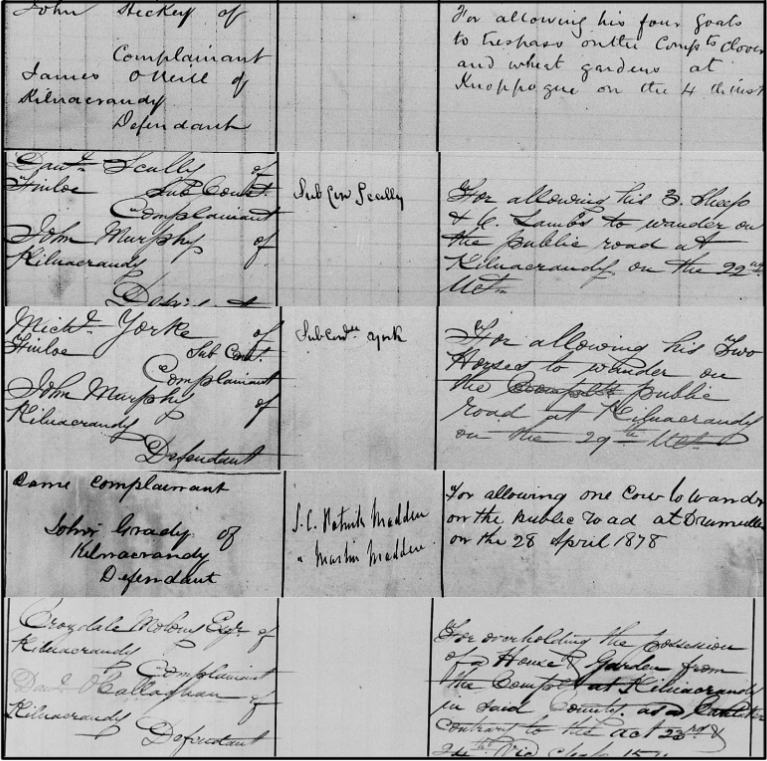
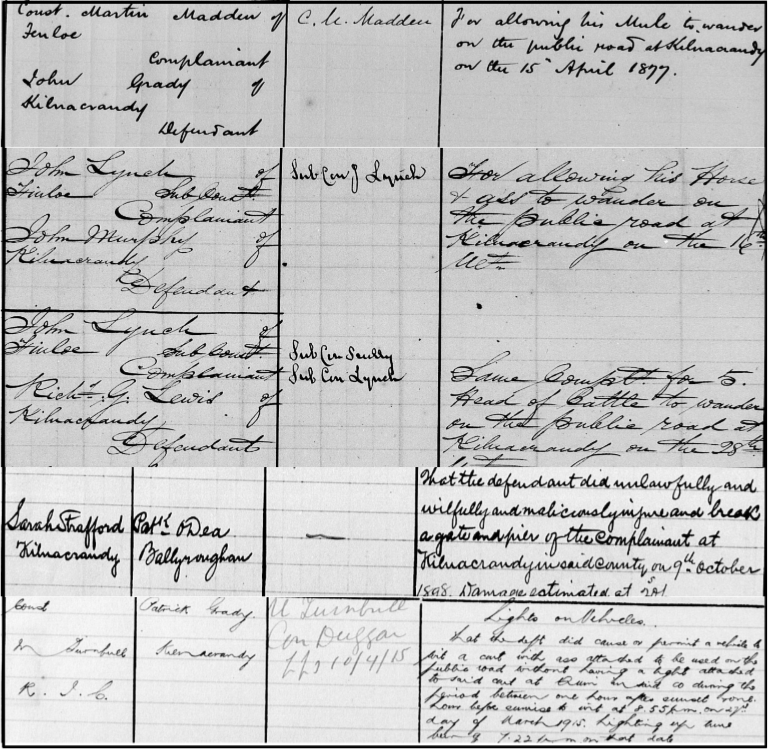
Names listed in the records below are captured as they were originally recorded, so for example O’Grady is also spelt as Gready, Graddy, Grady. The list of baptisms from the 1800’s at the bottom of the post gives a useful account of who was related to whom, alongside family names no longer to be found in the parish. The post finishes with samples of cases brought before the aptly-named Petty Sessions that involved residents of Kilnacrandy.
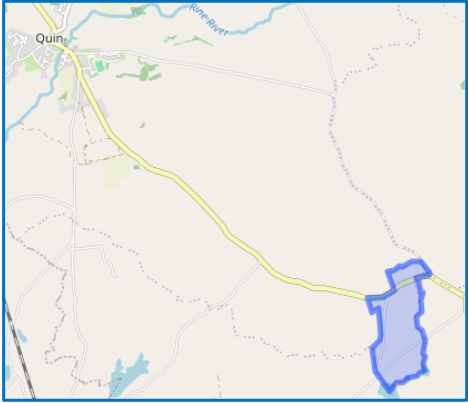
52.9 hectares / 0.529 km² / 0.20 square miles / 130.7acres
Griffiths Valuation 1855 for Kilnacrandy Quin & Tomfinlough
Tenants: Patrick Hassett, Mary Callaghan, Martin Graddy, Michael Graddy, Edward Barron, John Hickey, William Lindsey, John McDonnell, Patrick Meehan.
Landlords: Lord Inchiquin, John Singleton, Crosdale Maloney, Patrick Gorman.
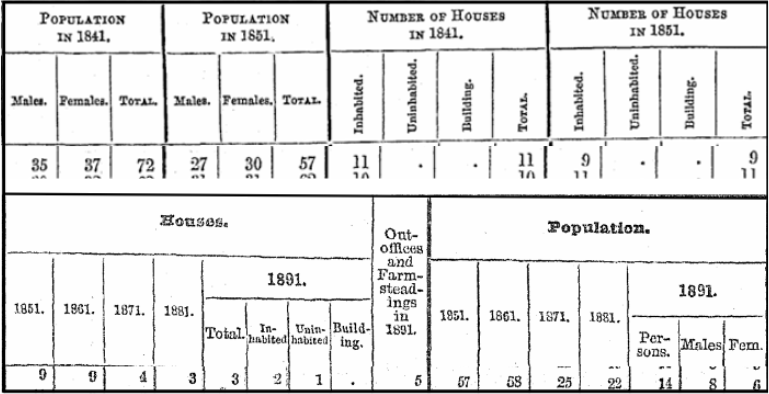
Census Records Kilnacrandy Quin & Tomfinlough
1841 Census Records: Population 72; Households 11 (Quin) Population 6; Households 1 (Tomfinlough)
1851 Census Records: Population 57; Households 9 (Quin) Population 19; Households 3 (Tomfinlough)
1861 Census Records: Population 58; Households 9 (Quin) Population 11; Households 4 (Tomfinlough)
1871 Census Records: Population 25; Households 4 (Quin) Population 3; Households 2 (Tomfinlough)
1881 Census Records: Population 22; Households 3 (Quin) Population 5; Households 3 (Tomfinlough)
1891 Census Records: Population 14; Households 2 (Quin) Population 8; Households 3 (Tomfinlough)
Census Record Kilnacrandy Quin
1901 Census Records Quin Populat. 14; Households 2
John Murphy, daughters Bridget, Margaret, sons Patrick, Martin.
Martin & Nora Gready, sons Martin, John, Peter, Patrick, daughters Kate, Mary, Margaret.
1911 Census Records Quin Populat. 12; Households 2
John Murphy, daughters Bridget, Margaret, son Martin.
Martin & Nora Grady, sons Martin, John, Peter, Patrick, William, daughter Catherine.
1926 Census Records Quin Population 9; Households 3
James O’Brien.
Martin & Margaret Murphy, son Michael, servant Ellie O’Neill.
Nora O’Grady, sons Patrick, Peter, William.
1901 Census Records Tomfinlough Population 7; Households 2
Michael O’Neill, brothers Patrick, John, sister Lena.
Sarah Strafford, daughter Annie, boarder Thomas Collins.
1911 Census Records Tomfinlough Population 6; Households 2
Michael & Sarah O’Neill, son Patrick Joseph, servants Patrick Hickey, Bridget Lynch.
Sarah Strafford.
1926 Census Records Tomfinlough Population 6; Households 1
Michael & Sarah O’Neill, sons Patrick Joseph, Michael, daughters Frances, Gonzaga.
National Monuments
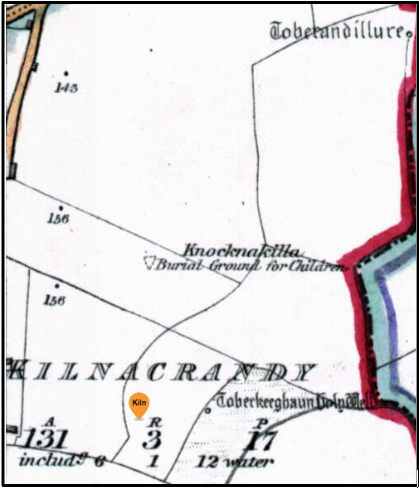
Toberandillure/Tobar an Duilliúr (The Leafy Well)
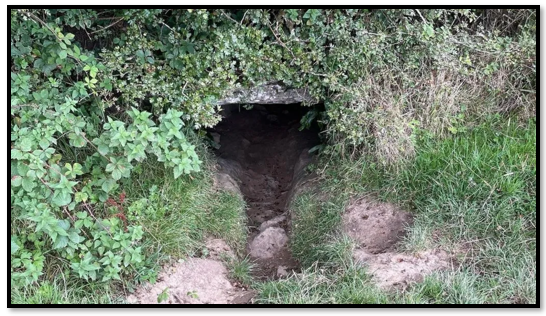
The well forms part of a stream on the north side of a copse of trees where a small flow emerges. This holy well has no remembered patron saint. Between this well and Toberkeeghaun a little further south, there is a cillín or children’s burial ground on Knocknakilla Hill. The presence of holy wells and cillíní in close proximity to each other is very common across Clare. The wells were most likely where people came to pray for those buried in the cillíní.
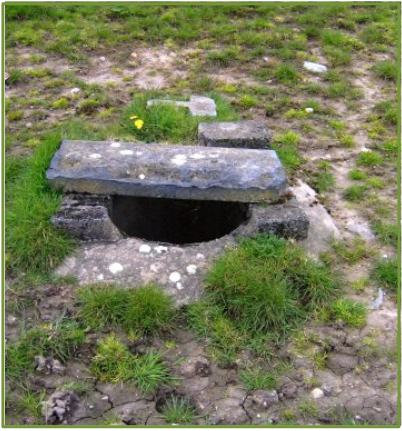
Tobar Keeghaun
The well is Tobar Keeghaun, the Well of Saint Keeghaun. Saint Keeghaun is no longer remembered locally but older residents in the area recall visiting the holy well as children. No particular prayer sequence at the well is remembered.
https://heritage.clareheritage.org/places/holy-wells/toberkeeghaun
Knocknakilla Childrens Burial Ground
Kilnacrandy House
Associated Families: Moloney, O’Neill
Townland: Kilnacrandy (Tomfinlough)
Features: Kilnacrandy is a one-storey, six bay, originally thatched house (now slated), with large windows, facing south. Fine boundary walls encompass the approximately one hundred and twenty acre estate, which is well-timbered with mainly beech and lime trees. The approach is by a longish drive from the south.
History: In 1855, Crosdale Moloney Junior was in possession of the house and farm. The estate was the property of the Reverend C. W. Moloney in 1920.
https://quinheritage.ie/the-big-houses-in-and-around-quin-and-clooney/
Baptismal Records from 1800’s for Kilnacrandy
|
Date |
Child’s name |
Father |
Mother’s name |
Sponsors |
||
|
08.10.1841 |
Mary |
(?) |
Michael |
Ryan(?) |
Ellen |
(?) |
|
25.09.1852 |
Mary |
Barron |
Dick |
Quin |
Sally |
Patt O’Brien, Honora Gleeson |
|
23.07.1851 |
Eliza |
Barron |
Edmund |
Quinn |
Sally |
Margaret Flaherty |
|
30.11.1824 |
Catherine |
Calaghan |
Michael |
|
|
John Calaghan |
|
27.06.1830 |
Anne |
Callahan |
Thomas |
Kindle |
Mary |
James O’Brien, Mary McCarthy |
|
04.07.1820 |
Michael |
Callihan |
Thomas |
Kindle |
Mary |
John Callihan |
|
13.05.1819 |
Connor |
Callihan |
Tom |
Kindel |
Mary |
Biddy Conway, Tom Kindel |
|
30.12.1838 |
Anne |
Clune |
Michael |
Egan |
Ellen |
Patt O’Brien, Margaret Murphy |
|
12.02.1845 |
Bridget |
Clune |
Michael |
Egan |
Ellen |
Patt Ryan, Margaret Earls |
|
01.05.1842 |
Mary |
Doorty |
Laurence |
Murphy |
Anne |
John and Mary Murphy |
|
15.08.1842 |
Patt |
Flaherty |
Michael |
Corbett |
Anne |
Patt Rochford, Catherine Corbett |
|
23.02.1851 |
Patt |
Graddy |
Martin |
Meehan |
Margaret |
Patt and Mary Meehan |
|
01.07.1854 |
John |
Graddy |
Martin |
Meehan |
Margaret |
Patt and Mary Hassette |
|
08.05.1822 |
John |
Graddy |
Mathew |
Butler |
Cate |
John Haneen |
|
21.11.1849 |
Bridget |
Graddy |
Michael |
Doogan |
Mary |
Mary Allen |
|
22.11.1851 |
James |
Graddy |
Michael |
Duggan |
Mary |
Richard and Mary Jane Lindsay |
|
07.11.1831 |
Pat |
Grady |
Mathew |
Butler |
Kate |
Mary McMahon, Michael Moroney |
|
??.02.1837 |
Patrick |
Hasset |
Patrick |
Murphy |
Mary |
Catherine Kearney |
|
30.03.1840 |
Mary |
Hassette |
Patt |
Murphy |
Mary |
Martin McGrath, Sally McNamara |
|
30.07.1852 |
James |
Hickey |
John |
Quinlivan |
Matilda |
Patt and Eliza Quinlivan |
|
30.04.1854 |
Susan |
Hickey |
John |
Quinlivan |
Matilda |
Patt Quinlivan, Mary Lindsay |
|
21.08.1842 |
Darby |
Keeffe |
John |
Hease |
Honora |
Bridget Sheedy |
|
12.04.1835 |
Catherine |
Linane |
Stephen |
McMahon |
Mary |
Cornelius McCormack, Bridget Graddy |
|
29.04.1844 |
Pegy |
Mac |
Dan |
Grady |
Pegy |
John Hassett, Sally Mac |
|
06.01.1839 |
Mary |
McNamara |
Daniel |
Graddy |
Margaret |
Bridget Graddy |
|
??.07.1841 |
Bridget |
McNamara |
Daniel |
Graddy |
Margaret |
Sally McNamara |
|
06.07.1845 |
Susan |
McNamara |
Daniel |
Graddy |
Margaret |
Mary Meehan |
|
01.07.1851 |
Batt |
McNamara |
Daniel |
Graddy |
Bridget |
Bridget McNamara, Patt |
|
09.07.1823 |
Mary |
Meehan |
Patrick |
O’Dea |
Margaret |
Margaret Graddy |
|
??.12.1835 |
Thomas |
Morony |
James |
McMahon |
Mary |
Pat Kerin, Mary Morony |
|
13.02.1840 |
John |
Morony |
James |
McMahon |
Mary |
Mary Kerin |
|
11.07.1816 |
James |
Murphy |
Michael |
Kendal |
Catherine |
Thomas and Mary Kendal |
|
20.09.1817 |
Michael |
Murphy |
Michael |
Kendal |
Cate |
Michael Mornoy |
|
??.07.1834 |
Martin |
Murphy |
Michael |
Kindal |
Catherine |
John Callaghan, Bridget Cody |
|
??.03.1837 |
Thomas |
Murphy |
Michael |
Kindal |
Catherine |
Thomas Kindal, Bridget McCarthy |
|
01.06.1821 |
John |
Murphy |
Michael |
Kindall |
Catherine |
Patt Callahan, Bridget Maly |
|
11.02.1832 |
Cecily |
Murphy |
Michael |
Kindall |
Catherine |
Mary Murphy, John Callaghan |
|
11.02.1832 |
Catherine |
Murphy |
Michael |
Kindall |
Catherine |
John Lyons, Margaret Lyons |
|
09.03.1819 |
Mary |
Murphy |
Michael |
Kindle |
Kitty |
John Callihan, Mary Shea |
|
02.08.1829 |
Margaret |
Murphy |
Michael |
Kindle |
Catherine |
Briget McCarthy, Thomas Kindle |
|
17.09.1842 |
Michael |
Murphy |
Michael |
Kindle |
Kate |
Thomas Kindle |
|
17.09.1842 |
Peter |
Murphy |
Michael |
Kindle |
Kate |
Eliza Kindle |
|
05.02.1824 |
Bartholomew(Patrick?) |
Murphy |
Michael |
|
|
john Calaghan, Catherine Connors |
|
11.01.1833 |
Mary |
O’Shea |
James |
McNamara |
Anne |
Daniel Brody, Anne Hallinan |
|
04.12.1836 |
Thomas |
Rioradan |
Thady |
Quinlivan |
Bridget |
Ellen Carmody |
|
23.09.1843 |
Michael |
Riordan |
Tead |
Quinlivan |
Bidy |
Judy Mac |
|
12.09.1845 |
Michael |
Shea |
James |
Mac |
Matilda |
mary Calaghan |
|
27.05.1840 |
Daniel |
Shea |
James |
McNamara |
Matty |
Michael Shea, Peg McNamara |
|
15.01.1842 |
Bidy |
Shea |
James |
McNamara |
Matty |
Jane McNamara |
|
??.11.1837 |
Daniel |
Shea |
John |
Made |
Elizabeth |
Daniel Lyons, John Made |
|
??.06.1839 |
Mary |
Shea |
John |
Maide |
Elizabeth |
John and Anne Maide |
|
17.01.1847 |
James |
Shea |
John |
Meade |
Betty |
John and James Meade |
|
??.06.1834 |
Mary |
Shea |
Michael |
McMahon |
Anne |
John Shea, Catherine McMahon |
|
??.06.1836 |
John |
Shea |
Michael |
McMahon |
Ann |
John Shea, Ann Murphy |
|
08.09.1844 |
Bidy |
Shea |
Michael |
McMahon |
Nancy |
Sally McNamara |
|
28.10.1830 |
Anne |
Tierney |
John |
Doloughty |
Ellen |
Maggy Healy(?) |
|
08.03.1832 |
Mary |
Tierny |
Michael |
Kelly |
Briget |
Kitty Moloney |
|
19.11.1857 |
Mary |
Callaghan |
James |
Cullinan |
Mary |
Bridget Burke |
|
18.06.1864 |
James |
Callaghan |
James |
Cullinan |
Mary |
Honora Barron |
|
31.07.1870 |
Ellen |
Callaghan |
James |
Cullinan |
Mary |
Anne Callaghan |
|
2?.02.1859 |
Catherine |
Callaghan |
James |
Quillinan |
Mary |
Thomas Murphy, Catheriine O’Grady |
|
26.10.1862 |
Patt |
Callaghan |
James |
Quillinan |
Mary |
Anne Ryan |
|
24.08.1856 |
Anne |
Callaghan |
James |
Quinlivan |
Mary |
Pat Callaghan, Catherine Murphy |
|
24.06.1860 |
Thomas |
Callaghan |
James |
Quinlivan |
Mary |
Michael Callaghan, Mary Duggan |
|
11.08.1867 |
Daniel |
Callaghan |
James |
Quinlivan |
Mary |
Edmund Hickey, Anne Kerin |
|
25.11.1865 |
Michael |
Callaghan |
Michael |
Hallinan |
Mary |
Dan Callaghan, Margaret Neville |
|
09.02.1862 |
Denis |
Connor |
John |
Hassett |
Mary |
Patt Hassett, Mary Barron |
|
01.03.1876 |
Patt |
Graddy |
John |
Fox |
Mary |
John Faul, Margaret Fox |
|
??.02.1855 |
Mary(?) |
Graddy |
Michael |
Doogan |
Mary |
Patt Haneen, Mary Mack |
|
12.02.1859 |
John |
Graddy |
Michael |
Doogan |
Mary |
Nancy Graddy |
|
22.11.1856 |
Michael |
Graddy |
Michael |
Duggan |
Mary |
John Graddy, Mary Hasset |
|
19.01.1872 |
Catherine |
Grady |
John |
Fox |
Mary |
Pat Fox, Margaret (?) |
|
02.11.1873 |
Anne |
Grady |
John |
Fox |
Mary |
Peter Fox, Bridget Faul |
|
25.03.1878 |
John |
Grady |
John |
Fox |
Mary |
Kate Fox |
|
05.06.1880 |
Margaret |
Grady |
John |
Fox |
Mary |
Pat Fox, Kate Fox |
|
27.03.1858 |
Martin |
Grady |
Martin |
Meehan |
Margaret |
Stephen McDonnell, Margaret McDonnell |
|
20.04.1861 |
Jeremiah |
Grady |
Martin |
Meehan |
Margaret |
John McConnell, Bridget McConnell |
|
10.08.1861 |
Susan |
Grady |
Michael |
Duggan |
Mary |
Cath Duggan |
|
17.05.1862 |
Mary |
Meehan |
Patt |
Quin |
Cath |
John Burke, Anne Burke |
|
04.09.1859 |
Margaret |
Meehan |
Patt |
Quinn |
Catherine |
Thomas Graddy, Catherine Graddy |
|
20.01.1861 |
Patt |
Meehan |
Patt |
Quinn |
Catherine |
William Quinn, Ellen Quinn |
|
02.02.1864 |
John |
Meehan |
Patt |
Quinn |
Catherine |
Michael Barron, Mary Barron |
|
09.07.1865 |
Catherine |
Meehan |
Patt |
Quinn |
Catherine |
Michael Barron, Ellen Quinn |
|
21.02.1857 |
Anne |
Meehan |
Patt |
Riardon |
Norry |
Mary Healy |
|
18.01.1863 |
Bridget |
Murphy |
John |
Hawkins |
Mary |
Thomas Hawkins, Margaret Murphy |
|
16.04.1864 |
John |
Murphy |
John |
Hawkins |
Margaret |
Patt Hawkins, Anne Hawkins |
|
29.07.1866 |
Maria |
Murphy |
John |
Hawkins |
Margaret |
John Hawkins, Anne Hawkins |
|
12.09.1868 |
Anne |
Murphy |
John |
Hawkins |
Mary |
Robert Strafford, Mary Kindle |
|
09.10.1870 |
Martin |
Murphy |
John |
Hawkins |
Mary |
Anne Hawkins |
|
12.10.1872 |
Thomas |
Murphy |
John |
Hawkins |
Margaret |
Michael Murphy, Johanna Hawkins |
|
19.09.1874 |
Michael |
Murphy |
John |
Hawkins |
Margaret |
Catherine Murphy |
|
13.05.1876 |
Kate |
Murphy |
John |
Hawkins |
Mary |
Anne Hawkins |
|
03.03.1878 |
Patrick |
Murphy |
John |
Hawkins |
Margaret |
John Murphy, Johanna Hawkins |
|
31.12.1879 |
Margaret |
Murphy |
John |
Hawkins |
Margaret |
Thomas Hartigan, Margaret Murphy |
|
29.03.1873 |
Anne |
Strafford |
Michael |
Connelan |
Sarah |
John Hickey, Johanna Mack |
For further research on baptisms and marriages, see:
https://registers.nli.ie/registers/vtls000634688?locale=en#page/6/mode/1up
Sample Quin Petty Sessions Court Cases for residents of Kilnacrandy